
Your picker grabbed three units of SKU-A when the order called for one unit of SKU-B. By the time the error surfaced at packing, J&T Express PH had already been booked. A warehouse management system prevents this by turning verbal pick instructions into scan-verified pick lists where every item is confirmed before it leaves the shelf.
What Is a WMS (Warehouse Management System)?
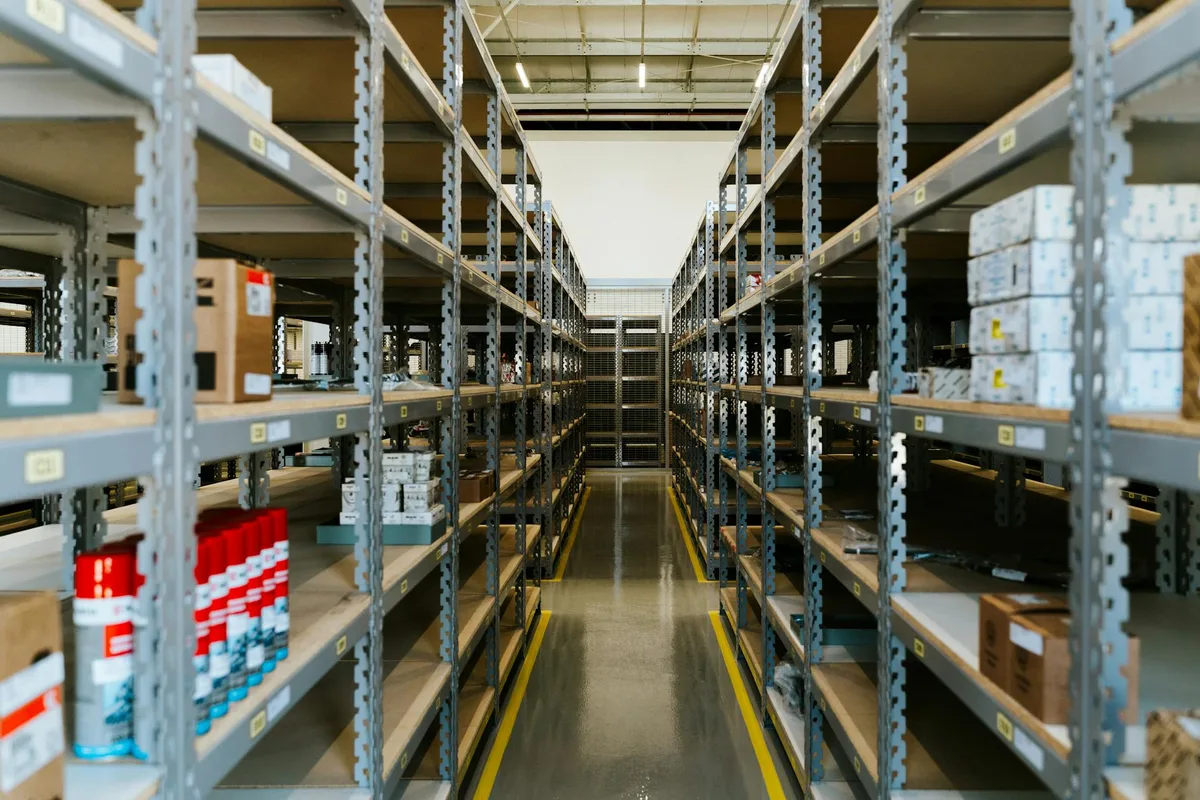
A warehouse management system (WMS) is software that controls physical warehouse operations: receiving inbound stock, directing put-away to specific bin locations, generating pick lists for outbound orders, confirming packing, and dispatching to couriers. For Philippine ecommerce sellers, a WMS adds a physical control layer on top of stock tracking and order management. It manages not just how much stock you have, but where exactly it is inside your warehouse and how it moves through to dispatch.
WMS is frequently used interchangeably with inventory management software, but the distinction matters once your operation grows beyond a single room. An inventory management system (IMS) answers “how much stock do I have?” A WMS answers “where inside my warehouse is unit 47 of SKU-B, and who should pick it for the open Lazada PH order?”
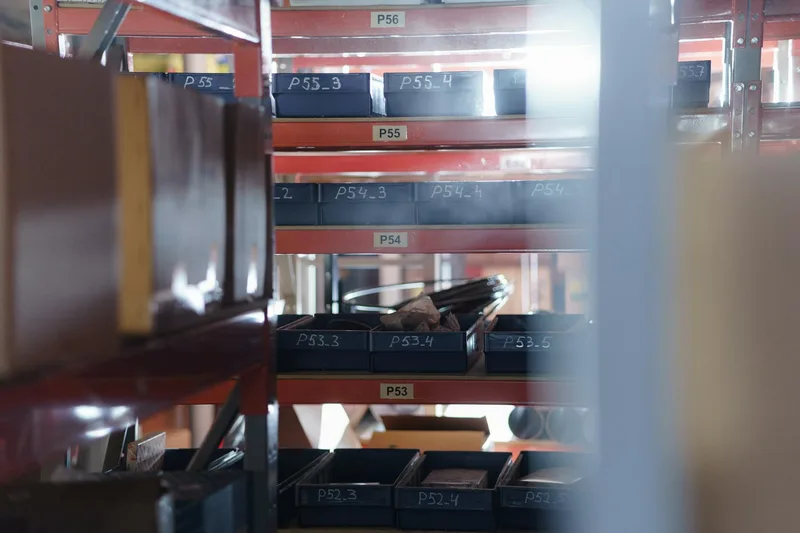
The core principle is location-based tracking. Rather than managing stock as an abstract number, a WMS tracks physical bin addresses (Aisle 3, Shelf B, Position 12). Every movement is recorded with a timestamp and a user ID, creating an audit trail from goods receipt through dispatch.
For Philippine sellers running a fulfilment hub serving Shopee PH, Lazada PH, and TikTok Shop Philippines from one location with multiple staff, a WMS replaces verbal instructions and manual checklists with scan-verified workflows that scale as order volume grows.
What Does a WMS Do at Each Stage of Warehouse Operations?
A WMS manages five stages of warehouse operations: receiving (scan and bin-assign incoming goods), put-away (direct stock to specific locations), picking (generate location-optimised pick lists), packing (scan-confirm items before sealing), and dispatch (generate courier labels and update order status). Most Philippine-market WMS tools, including Ginee WMS and Anchanto, cover all five stages, though depth varies by plan tier.
Receiving and put-away. When a supplier delivery arrives, a WMS generates a goods receipt note (GRN) and assigns each product to a specific warehouse location. This eliminates the common problem of staff leaving goods wherever space is available and then spending time searching for items at pick time.
Picking. A WMS generates pick lists optimised by physical location, not by order sequence. Instead of walking back to Aisle 1 four separate times to fulfil four orders that each include the same item, a zone pick list batches those picks in one pass. For warehouses handling 100 or more orders per day, this reduction in travel distance meaningfully lowers pick time compared to paper-based lists.
Packing and dispatch. Once picked, items are scanned at the pack station to confirm the correct product and quantity. A WMS connected to Shopee PH, Lazada PH, J&T Express PH, Ninja Van PH, and LBC generates shipping labels and updates order status automatically, removing the need to switch between separate platforms.

How Does a WMS Differ from an Inventory Management System and an OMS?
A WMS handles physical warehouse movements. An inventory management system (IMS) handles stock quantity tracking across channels. An order management system (OMS) handles order routing and status across marketplaces. For Philippine sellers, the distinction matters because most mid-market tools, including Ginee, Jubelio, and Sellercraft, combine IMS and OMS functions but offer WMS features only on higher-tier plans or as separate modules.
| System | What It Controls | Philippine Tools |
|---|---|---|
| IMS (Inventory Management) | Stock quantities per SKU, multi-channel sync | Ginee, Sellercraft, Jubelio |
| OMS (Order Management) | Order routing, status updates, courier booking | Jubelio, Anchanto |
| WMS (Warehouse Management) | Bin locations, pick lists, scan verification | Ginee WMS (Advanced), Anchanto WMS |

Most Philippine sellers at PHP 500,000 to 2,000,000 monthly revenue across two or three marketplaces need solid IMS and OMS functions first. A full WMS layer, with location-based bin management and scan-verified picking, becomes necessary when order volumes require multiple warehouse staff working simultaneously, creating the coordination and error risk that a WMS is built to solve.
For Philippine sellers evaluating the broader category of order management tools, the ecommerce order management system guide for Philippine sellers covers how OMS and WMS capabilities layer together in common tool stacks.
Which WMS Tools Are Available for Philippine Sellers?
The primary WMS tools available to Philippine ecommerce operations are Ginee WMS (Advanced plan), Anchanto WMS, and Locad. Ginee is the most accessible for smaller operations, with WMS features available from its paid tiers. Anchanto is positioned for higher-volume sellers handling large daily order counts. Locad combines third-party fulfilment with WMS functionality for sellers outsourcing warehouse operations entirely.
Ginee WMS. Ginee’s platform started as a multi-channel IMS and OMS for Southeast Asian marketplaces, with WMS features added progressively to higher plans. Per Ginee’s product documentation, Ginee WMS supports Shopee PH and Lazada PH order integration alongside its warehouse location and picking features. Pricing for Ginee’s plans in the Philippines typically ranges from PHP 1,500 per month on basic tiers to PHP 5,000-8,000 per month on plans with WMS functionality, based on order volume. Plan structures change periodically, so verify current pricing directly with Ginee.
Anchanto WMS. Anchanto is a dedicated enterprise WMS and OMS built for Southeast Asian operations. Its WMS module supports multi-location warehousing, scan-based picking, and full courier integration with Philippine logistics providers. Based on publicly available positioning, Anchanto suits operations handling large order volumes and is typically used by fulfilment service providers, brands with in-house warehouses, and high-volume Philippine sellers rather than those just starting to add warehouse structure.
Locad. Locad operates as a fulfilment-as-a-service platform with WMS technology built in, serving sellers across the Philippines, Singapore, and Malaysia. Rather than licensing a WMS, sellers using Locad outsource physical fulfilment and access the WMS layer as part of the service. This is particularly relevant for Philippine sellers who want fulfilment accuracy without building a warehouse team.
For stock tracking tools that work without the full WMS layer, useful for most sellers under 100 daily orders, see the stock control system guide for Philippine sellers. For sellers comparing broader inventory software options including pricing and marketplace support details, the inventory management software comparison for Philippine sellers covers the category in full.
When Does a Philippine Ecommerce Seller Actually Need a WMS?
A WMS becomes necessary when warehouse coordination problems, such as mispicks, location confusion, and staff collisions, cost more in time and order quality than the WMS subscription. For most Philippine sellers, this threshold arrives when they have 3 or more warehouse staff working simultaneously, maintain 200 or more active SKUs across multiple storage zones, or operate more than one physical warehouse location.
Most Philippine sellers start with spreadsheet-based tracking or a basic IMS. That is the correct starting point. A WMS adds cost and process complexity that is only justified when the problems it solves are actively occurring.
Signs your warehouse has outgrown basic stock tracking:
- Mispick errors are reaching 3% or more of outbound orders based on your own order error logs
- Pickers and packers interrupt each other because there is no systematic routing for who picks what first
- You cannot trace a specific unit’s location without physically walking the floor and searching
- Shopee PH Seller Centre or Lazada PH Seller Center has flagged late dispatch rates because warehouse delays are creating SLA breaches
- You have added a second warehouse location with no clear system for tracking which location holds which stock
Sellers operating as a one- or two-person team from a single storage room are unlikely to benefit from a WMS. For them, solid stock control and a basic OMS are the right investment. The ecommerce order management system guide covers the right tool layer for each stage of Philippine seller growth.
Frequently Asked Questions
What does WMS stand for in warehousing?
WMS stands for Warehouse Management System. It is software that manages physical operations inside a warehouse: receiving incoming stock, assigning bin locations, generating pick lists, confirming packing, and dispatching orders to couriers like J&T Express PH, Ninja Van PH, and LBC. For Philippine ecommerce sellers, a WMS connects these physical steps to marketplace orders from Shopee PH and Lazada PH.
What is the difference between a WMS and an inventory management system?
An inventory management system (IMS) tracks stock quantities across channels and prevents overselling. A WMS manages where physical items are located inside a warehouse, how they are picked, and how they move through to dispatch. Many Philippine tools combine both functions, but the distinction matters when evaluating whether you need location-based bin management or just multi-channel stock sync.
Do small Shopee PH sellers need a WMS?
Most small Philippine sellers do not need a WMS. Shopee PH Seller Centre and a basic inventory tool handle stock tracking adequately for single-location operations with one or two staff members. A WMS becomes useful when you have 3 or more warehouse staff picking simultaneously, manage 200 or more active SKUs across organised storage zones, or operate more than one warehouse location.
How much does WMS software cost in the Philippines?
WMS pricing varies by solution. Entry-level tools with WMS features, such as Ginee’s paid tiers, typically start from PHP 1,500-5,000 per month based on order volume. Mid-market platforms with dedicated WMS modules generally range from PHP 8,000-25,000 per month. Enterprise solutions like Anchanto are positioned for high-volume operations above that range. Verify current pricing directly with each provider, as plan structures change periodically.
Can a WMS integrate with Shopee PH and Lazada PH?
Yes. The main WMS tools available in the Philippines support Shopee PH and Lazada PH integration. Ginee WMS connects to both marketplaces as part of its existing multi-channel architecture. Anchanto also supports Shopee PH and Lazada PH alongside courier integrations for J&T Express PH, Ninja Van PH, and LBC Express. Verify the specific marketplace API connections for the plan tier you are evaluating, as some features are plan-restricted.